
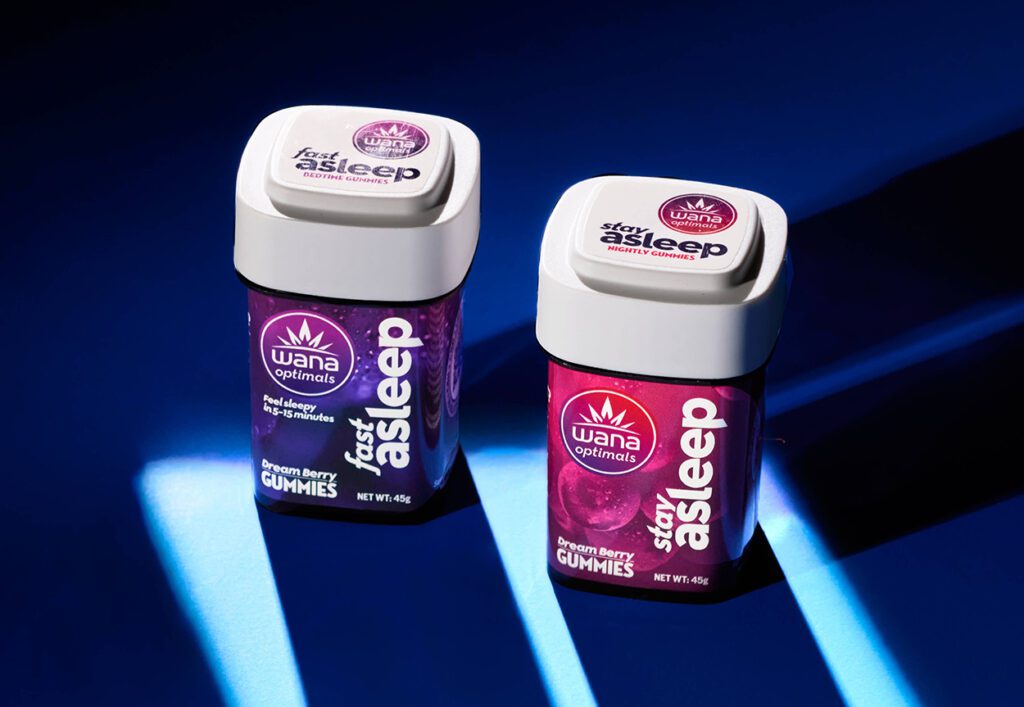
Fast Asleep vs. Stay Asleep: What’s the Difference and Why It Matters
Sleep problems are often grouped into one general category, but not all sleep struggles are the same. Some people fall asleep easily but wake up repeatedly throughout the night. Others lie awake for hours before finally drifting off. This raises an important question: Fast asleep vs. stay asleep — what’s the real difference?
Understanding whether your challenge is falling asleep or staying asleep can make a significant difference in finding the right solution. In this guide, we’ll break down the science behind both types of sleep issues, explore common causes, and explain practical strategies to improve overall sleep quality.
What Does “Fast Asleep” Mean?
When someone says they want to fall asleep fast, they are usually referring to sleep onset — the time it takes to transition from full wakefulness to sleep.
A healthy adult typically falls asleep within:
- 10 to 20 minutes after lying down
If it regularly takes longer than 30 minutes, it may be classified as sleep onset insomnia.
Signs You Struggle to Fall Asleep
- Racing thoughts at bedtime
- Feeling physically tired but mentally alert
- Checking the clock frequently
- Needing distractions like TV or phone use
Difficulty falling asleep is often linked to stress, anxiety, overstimulation, or inconsistent sleep schedules.
What Does “Stay Asleep” Mean?
Staying asleep refers to sleep maintenance — your ability to remain asleep throughout the night without frequent awakenings.
Waking once briefly during the night is normal. However, repeated awakenings or long periods of being awake may signal sleep maintenance insomnia.
Signs You Struggle to Stay Asleep
- Waking multiple times per night
- Difficulty falling back asleep
- Early morning waking (before your alarm)
- Feeling unrefreshed despite enough hours in bed
Sleep maintenance issues are often tied to lifestyle habits, medical conditions, stress, or environmental disruptions.

Fast Asleep vs. Stay Asleep: The Key Differences
While both issues affect sleep quality, they involve different biological and behavioural factors.
| Fast Asleep | Stay Asleep |
|---|---|
| Trouble falling asleep initially | Trouble remaining asleep |
| Linked to anxiety and mental stimulation | Linked to stress, hormones, or physical discomfort |
| Often affected by evening habits | Often affected by sleep environment |
| Sleep onset insomnia | Sleep maintenance insomnia |
Understanding which category applies to you is the first step toward effective improvement.
Why Falling Asleep Is Sometimes Hard
Falling asleep requires your nervous system to shift from an alert state to a relaxed state. This transition is controlled by circadian rhythms and melatonin production.
Common causes of difficulty falling asleep include:
1. Stress and Overthinking
When the brain stays active, it delays the body’s natural wind-down process.
2. Screen Exposure Before Bed
Blue light from devices suppresses melatonin production.
3. Irregular Sleep Schedule
Going to bed at different times confuses your internal clock.
4. Caffeine or Stimulants
Even afternoon caffeine can delay sleep onset.
Why Staying Asleep Can Be Difficult
Sleep maintenance problems often have different triggers.
1. Stress Hormones
Cortisol spikes during the night can wake you unexpectedly.
2. Blood Sugar Fluctuations
Drops in blood sugar may trigger nighttime awakenings.
3. Environmental Factors
Noise, light, or temperature shifts can interrupt deep sleep.
4. Ageing
As we age, sleep naturally becomes lighter and more fragmented.
Which Is Worse: Trouble Falling Asleep or Staying Asleep?
Both can significantly impact daily functioning. However, waking repeatedly throughout the night may reduce deep sleep and REM sleep more severely, leading to:
- Poor concentration
- Mood instability
- Lower energy levels
- Reduced immune function
That said, chronic difficulty falling asleep can create bedtime anxiety, making the cycle harder to break.
The Science Behind Sleep Cycles
To understand fast asleep vs. stay asleep, it helps to look at sleep architecture.
Each night, you cycle through:
- Light sleep
- Deep sleep
- REM sleep
These cycles repeat every 90 minutes. Frequent awakenings interrupt these cycles, reducing restorative sleep.
If you fall asleep quickly but wake at 2:00 a.m. and stay awake for an hour, your sleep cycles are disrupted. Likewise, if you lie awake until midnight, your total sleep window shrinks.
Both patterns reduce sleep efficiency.
How to Fall Asleep Faster
If your main issue is sleep onset, consider these strategies:
Establish a Consistent Bedtime
Go to bed and wake up at the same time daily.
Create a Wind-Down Routine
Spend 30–60 minutes doing relaxing activities like reading or stretching.
Limit Blue Light
Avoid screens at least one hour before bed.
Manage Mental Overactivity
Journaling or breathing exercises can help quiet racing thoughts.
Optimise Your Bedroom
Cool, dark, and quiet environments promote faster sleep onset.
How to Stay Asleep Longer
If staying asleep is your struggle, focus on these adjustments:
Avoid Heavy Meals Before Bed
Large meals can cause discomfort or blood sugar changes.
Limit Alcohol
Alcohol may make you sleepy initially, but it disrupts sleep later.
Reduce Nighttime Noise and Light
Blackout curtains and white noise machines can help.
Manage Stress
Mindfulness practices lower nighttime cortisol levels.
Address Underlying Issues
Conditions like sleep apnea, chronic pain, or hormonal changes may require medical evaluation.
Lifestyle Factors That Affect Both
Some habits influence both falling asleep and staying asleep.
Physical Activity
Regular exercise improves sleep quality but avoid intense workouts late at night.
Daylight Exposure
Morning sunlight supports healthy circadian rhythms.
Caffeine Timing
Stop caffeine at least 6–8 hours before bedtime.
When to Seek Professional Help
Occasional poor sleep is normal. However, you should consider professional guidance if:
- Sleep issues persist for more than a few weeks
- Daytime fatigue affects work or safety
- Snoring or breathing pauses occur
- Anxiety around bedtime worsens
Chronic insomnia can often be treated with cognitive behavioural therapy for insomnia (CBT-I), which is highly effective.
Fast Asleep vs. Stay Asleep: Which Should You Focus On?
Ask yourself:
- Do I lie awake for long periods before sleeping?
- Or do I wake repeatedly once asleep?
Your answer determines where to focus your improvements.
Some people experience both. In that case, start by improving sleep onset first. Once you fall asleep more consistently, you can address nighttime awakenings.
The Bigger Picture: Sleep Quality Over Speed
While many people obsess over how quickly they fall asleep, overall sleep quality matters more.
A person who falls asleep in 10 minutes but wakes five times may feel worse than someone who takes 25 minutes to fall asleep but sleeps through the night.
Aim for:
- 7–9 hours of total sleep
- Minimal interruptions
- Feeling refreshed upon waking
The debate of fast asleep vs. stay asleep isn’t about which problem is more serious. It’s about identifying the specific pattern that affects you.
Falling asleep quickly requires calming the nervous system and supporting natural melatonin production. Staying asleep requires maintaining stable sleep cycles and minimising nighttime disruptions.
By understanding the difference, you can take targeted steps to improve your sleep and wake up feeling restored.
Frequently Asked Questions (FAQ)
What is the difference between fast asleep and staying asleep?
Fast asleep refers to how quickly you fall asleep. Stay asleep refers to how well you remain asleep throughout the night.
How long should it take to fall asleep?
Most healthy adults fall asleep within 10 to 20 minutes.
Is waking up during the night normal?
Yes. Brief awakenings are normal, but frequent or prolonged awakenings may indicate sleep maintenance issues.
Why do I wake up at 3 a.m. every night?
This may be related to stress hormones, blood sugar fluctuations, or circadian rhythm disruptions.
Can anxiety cause trouble falling asleep?
Yes. Anxiety often keeps the brain active, delaying sleep onset.
Does alcohol help you stay asleep?
No. Alcohol may help you fall asleep faster, but it often disrupts sleep later in the night.
What is sleep maintenance insomnia?
It is difficult to stay asleep, characterised by frequent awakenings or early morning waking.
When should I see a doctor for sleep problems?
If sleep issues last more than a few weeks or affect daytime functioning, consult a healthcare professional.
